
The Biggest Regrets Calgary Home Buyers Have After Purchasing A Home
Buying a home is supposed to feel exciting.
For many Calgary buyers, it starts that way. The showings are fun, getting the keys feels like a huge milestone, and finally owning a home can feel incredibly rewarding.
But once the excitement wears off, reality starts kicking in.
Sometimes the regret is financial. Other times it is the commute, the neighbourhood, noisy neighbours, rising condo fees, expensive repairs, or simply realizing the home does not fit your lifestyle the way you expected.
Over the years helping buyers and sellers across Calgary, I have seen people regret rushing decisions, stretching their budget too far, buying in the wrong location, or focusing too heavily on appearance instead of practicality. I have also seen buyers fall in love with a home during a short showing, only to realize later it did not work well for their everyday life.
The truth is that home buyer remorse is far more common than many people realize, but most of these regrets are avoidable.
This guide breaks down the biggest regrets Calgary home buyers commonly experience after purchasing a home and how to avoid making the same costly mistakes yourself.
They Stretched Their Budget Too Far
One of the biggest regrets many Calgary home buyers experience is becoming house poor.
A lot of buyers focus mainly on qualifying for the mortgage and the purchase price rather than what the all in payment actually feels like month to month once real life expenses start piling up.
The mortgage itself might seem manageable initially, but ownership costs go far beyond the mortgage payment.
Once property taxes, utilities, insurance, maintenance, repairs, condo fees, landscaping, and rising interest rates start adding up, the home can quickly start feeling stressful instead of exciting.

I have seen buyers dramatically cut back on travel, dining out, hobbies, savings, and overall lifestyle flexibility because too much of their income became tied to housing costs.
A lot of buyers also underestimate the upfront costs involved with purchasing a home in Calgary, including:
• Legal fees
• Home inspections
• Insurance
• Utility setup costs
• Property taxes
• Condo fees
• Moving expenses
• Immediate repairs or upgrades
One of the smartest things buyers can do is create a realistic monthly budget based on their actual lifestyle, not simply what the bank approves them for.
Sometimes buying slightly less house creates far more freedom and happiness long term.
They Bought The Wrong Location
There is a reason the phrase location, location, location has existed in real estate forever.
You can renovate a home, but changing the neighbourhood, commute, traffic, noise, schools, surrounding development, or overall lifestyle is much harder.
I have seen buyers fall in love with beautifully renovated homes in locations they later realized did not fit their daily life at all. Sometimes buyers get lured into certain areas because the price looks attractive compared to more central or established neighbourhoods.
Then reality kicks in.
The commute becomes exhausting. Traffic becomes frustrating. Amenities are farther away than expected. Or the neighbourhood simply does not match the lifestyle they imagined.

This is especially common when buyers debate between:
• An older home in a better location
• A newer home farther from the city
For some buyers, living farther outside Calgary eventually becomes emotionally draining because of winter driving, long commutes, or feeling disconnected from the city.
Before buying, it is often smart to:
• Test the commute during rush hour
• Visit the area at different times of day
• Check nearby traffic and noise levels
• Explore nearby grocery stores and amenities
• Think realistically about your daily routine
In many cases, a less updated home in a better location ends up being the better long term decision.
They Rushed The Decision
Competitive markets create emotional pressure.
When buyers constantly hear stories about bidding wars and rapidly rising prices, many start feeling like they need to make immediate decisions or risk missing out forever.
Unfortunately, this can lead to major regret later.
I have seen buyers ignore obvious red flags, overpay significantly, waive important conditions, or compromise heavily simply because they felt emotionally pressured during the process.
Sometimes buyers become so focused on winning the house that they stop objectively evaluating whether the property actually makes sense for them.
This became especially common during Calgary’s hotter seller markets where unconditional offers and rushed decisions became normalized.
The reality is that losing one house is rarely the end of the world.
Slowing down, staying disciplined, and sticking to your long term goals often prevents major regret later.
Unexpected Maintenance And Repair Costs
Many buyers underestimate how expensive home ownership can become after possession day.
There is almost always something that needs maintenance, repair, upgrading, or attention.

Roofs age. Furnaces fail. Appliances break. Plumbing leaks happen. Landscaping becomes expensive. Snow removal takes time. Older homes especially can become far more expensive than buyers initially expected.
Even relatively small expenses start adding up quickly.
Some buyers also underestimate the amount of work involved with owning larger properties.
I have seen people buy large homes and later realize they dislike:
• Yard work
• Snow removal
• Cleaning large spaces
• Ongoing maintenance
• Exterior upkeep
A good rule of thumb is budgeting roughly 1 percent of the home’s value annually toward maintenance and repairs.
If your budget is already stretched thin, unexpected repairs can quickly become overwhelming.
You can also check out my article on common red flags buyers should watch for before purchasing a home in Calgary.
The Home No Longer Fit Their Lifestyle
Sometimes buyers purchase based on emotion or future plans that never actually happen.
A home can feel perfect during a showing but become impractical once real life starts happening inside it.
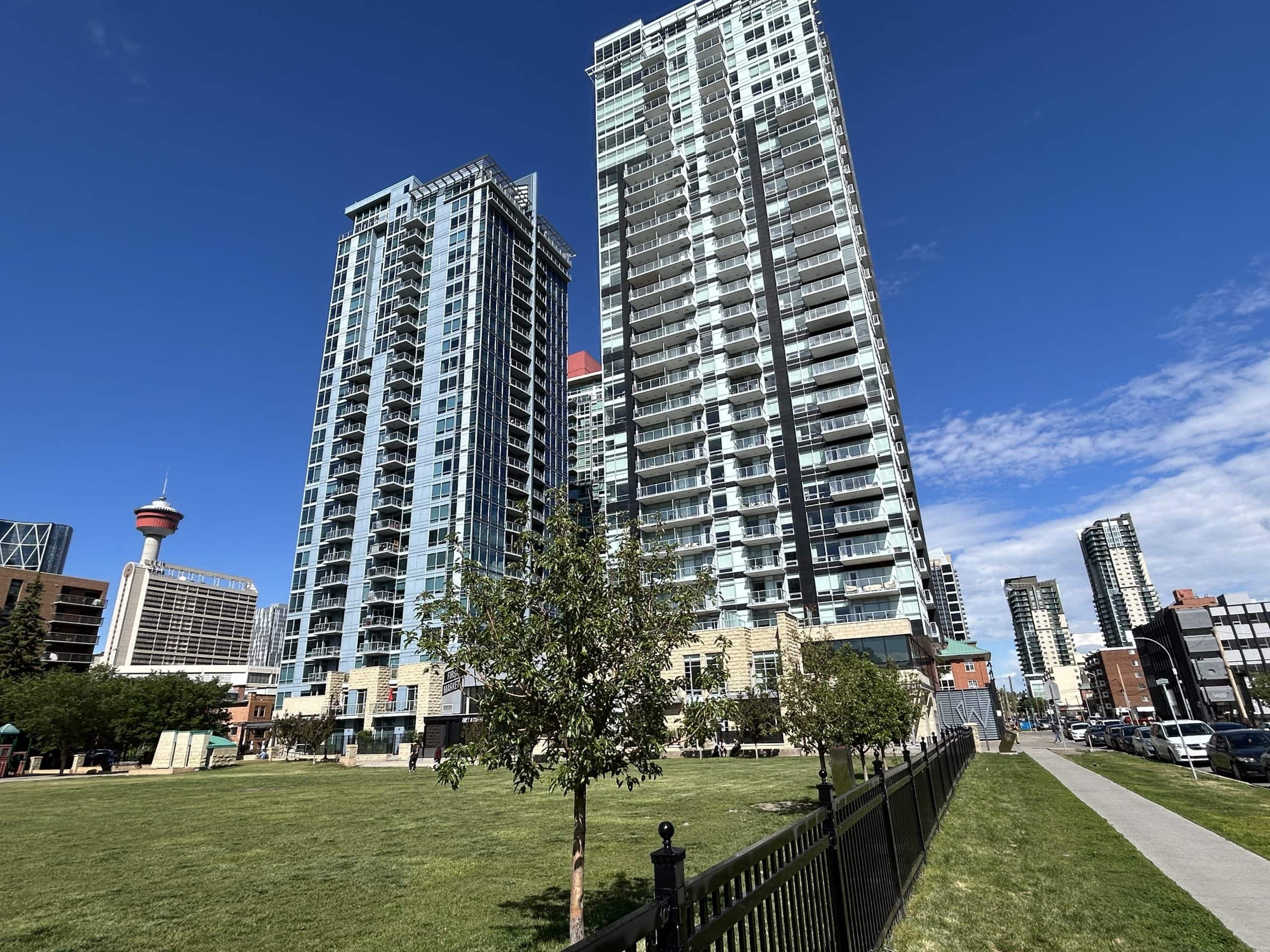
I have seen buyers purchase trendy inner city condos only to later realize they disliked the noise, parking issues, traffic, construction, or lack of space.
I have also seen the opposite happen where buyers purchase acreages or homes far outside the city and later become frustrated with long commutes, winter driving, septic systems, snow removal, or feeling isolated.
Lifestyle fit matters far more than many buyers initially realize.
Before buying, ask yourself:
• Does this property fit my actual lifestyle today?
• How will this home function during winter?
• Will I realistically enjoy this commute long term?
• How important is walkability or nearby amenities?
• Does this home still make sense if my life changes?
These questions are often more important than trendy finishes or beautiful staging.
Noise, Neighbours, And Things You Cannot Control
Some of the biggest regrets buyers experience are things they never noticed during the showing.
Bad neighbours, barking dogs, thin condo walls, traffic noise, parking problems, or future nearby development can dramatically impact quality of life.
The difficult part is that many of these issues are hard to identify during a short viewing.
This is especially important with condos and townhomes where sound transfer can become a major issue depending on the building.
Before buying, it can help to:
• Visit during rush hour
• Walk the surrounding streets
• Check parking availability
• Talk to neighbours if possible
Sometimes the smallest overlooked details become the biggest frustrations later.
They Bought Based Too Much On Appearance
Beautiful staging can be incredibly persuasive.
Some buyers fall in love with trendy finishes, furniture, lighting, and cosmetics while overlooking major layout or functionality problems.
I have seen homes that looked absolutely stunning but had awkward floorplans, poor storage, strange room layouts, or difficult long term resale potential.
Buyers sometimes overlook:
• Poor functionality
• Awkward layouts
• Small bedrooms
• Lack of storage
• Limited parking
• Difficult resale potential
• Bad surrounding location
A beautifully renovated home in the wrong location can still become a regret later.
Try evaluating the home based on how it functions for daily life, not just how it photographs during a showing.
Condo Related Surprises
Condo ownership comes with a completely different set of risks and responsibilities that many buyers do not fully understand before purchasing.
A lot of buyers focus mainly on the purchase price and mortgage payment without fully understanding how condo corporations actually work, what condo fees cover, how reserve funds function, or how future building repairs and board decisions can financially affect owners.

Unlike owning a detached home, condo owners are tied directly to the financial health and management of the entire building. Poor management decisions, underfunded reserve funds, insurance increases, deferred maintenance, or major repairs can all directly impact your monthly costs and future resale value.
Some of the most common condo regrets buyers experience include:
• Condo fees rising much faster than expected
• Special assessments for major repairs
• Poorly managed reserve funds
• Restrictive bylaws or rental rules
• Elevator and building maintenance problems
• Difficult condo boards or management companies
• Oversupply in certain condo segments making resale more difficult
This is why fully understanding the condo documents before purchasing is extremely important. A proper condo document review can reveal major red flags involving the financial health of the corporation, upcoming repairs, reserve fund strength, insurance issues, lawsuits, bylaws, and the overall management of the building.
They Did Not Fully Understand The Market
Markets move in cycles, but many buyers emotionally assume prices only go up forever.
During aggressive seller markets, buyers often panic buy because they fear missing out. Later, if the market softens or inventory rises, stress and regret can follow.
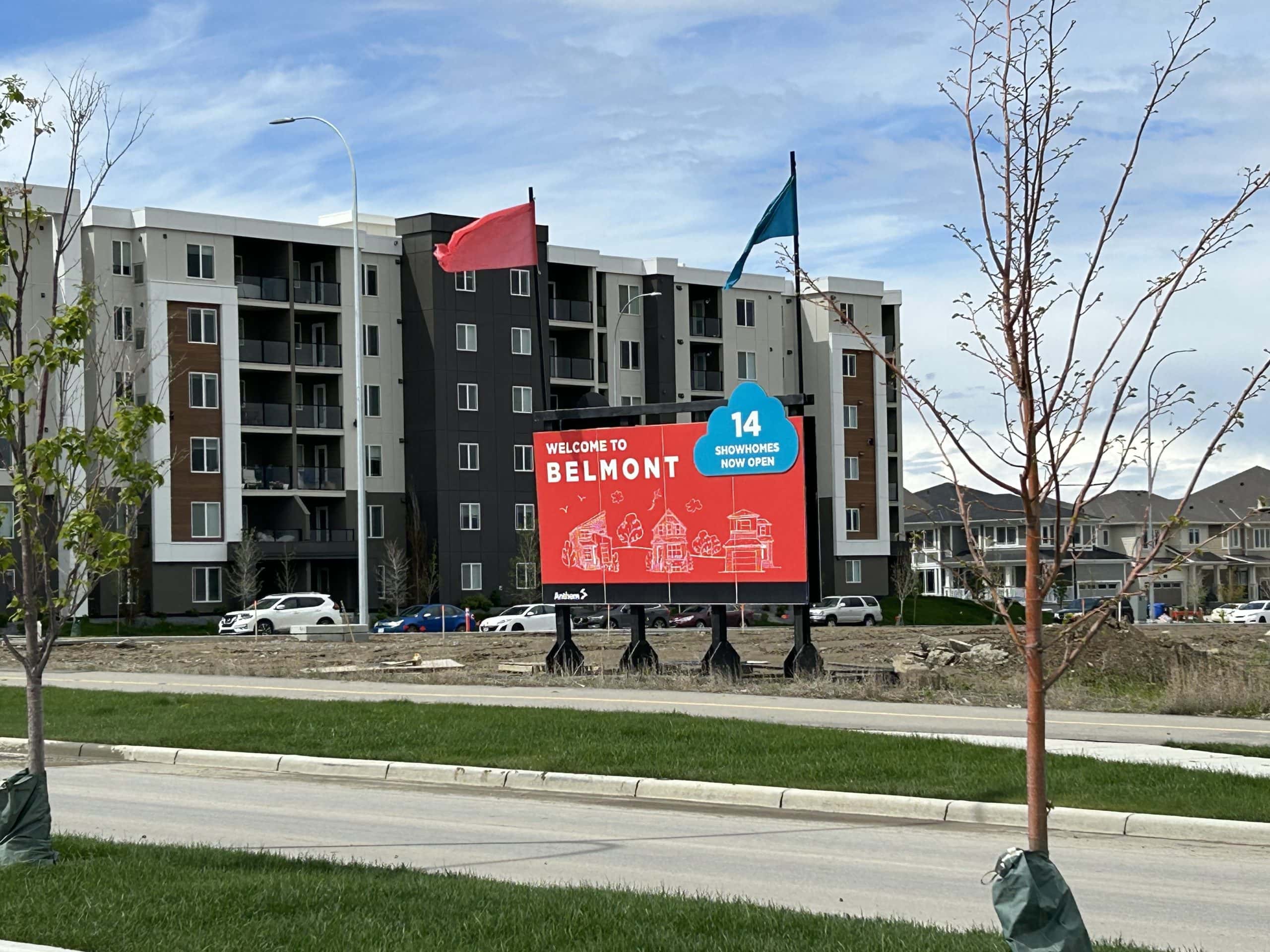
This has become especially noticeable in parts of Calgary’s condo market where some buyers purchased speculative preconstruction units during extremely competitive periods and are now facing softer resale conditions and increased inventory.
Real estate decisions should be approached strategically rather than emotionally.
Trying to perfectly time the market is difficult, but blindly following hype can also create major regret.
They Underestimated The Emotional Side Of Home Ownership
Owning a home is not just a financial commitment.
For some people, the responsibility itself becomes emotionally overwhelming.
Debt, maintenance, repairs, financial pressure, and feeling tied down can create anxiety buyers did not expect before purchasing.
This is especially common with first time buyers who may not fully understand the emotional responsibility attached to home ownership.
Owning a home can absolutely be rewarding, but it is important to buy a property and payment that still allows you to enjoy your actual life.
The Biggest Home Buying Mistakes And How To Avoid Them
After years helping buyers and sellers across Calgary, the most common regrets I see usually come down to rushing decisions, stretching the budget too far, or buying a home that does not truly fit someone’s lifestyle long term.
Some of the biggest mistakes buyers make include:
• Stretching the budget too far
• Buying the wrong location
• Ignoring commute realities
• Underestimating condo fees and ownership costs
• Rushing during bidding wars
• Prioritizing appearance over functionality
• Skipping inspections or condo document reviews
The buyers who tend to be happiest long term are usually the ones who slow down, plan carefully, stay realistic with their budget, and prioritize lifestyle fit over emotion.
Some of the best ways to avoid regret include:
• Budgeting for the full cost of ownership, not just the mortgage
• Prioritizing location before cosmetics
• Testing the commute before buying
• Leaving room for maintenance and emergencies
• Thinking about long term lifestyle needs
• Avoiding emotional panic decisions during competitive markets
Buying a home should improve your life, not constantly stress you out. In most cases, slowing down and making a practical decision leads to far better long term outcomes.
If you are planning to buy a home in Calgary, my Buyer’s Guide breaks down the full buying process, hidden ownership costs, neighbourhood considerations, condo risks, and the biggest mistakes many buyers regret later. It is designed to help you make a smarter long term decision before you purchase.
FAQs
Is It Normal To Regret Buying A House?
Yes, home buyer remorse is actually very common. Many buyers second guess their decision after moving in, especially if they stretched their budget, rushed the process, underestimated ownership costs, or bought in the wrong location.
What Is The 3 3 3 Rule In Real Estate?
The 3 3 3 rule is a simple guideline buyers use to reduce regret. The idea is to buy a home you can comfortably afford, plan to stay in for at least a few years, and choose something that still fits your lifestyle as life changes over time.
What Devalues A House The Most?
Location issues are often one of the biggest things that hurt a home’s value long term. Heavy traffic, noise, poor surrounding properties, bad layouts, deferred maintenance, high condo fees, and difficult resale locations can all negatively impact value.You can also check out my article on common home features that decrease property value in Calgary for more examples buyers often overlook.
Is It A Good Time To Buy A House In Calgary Right Now?
That depends heavily on your financial situation, goals, and the type of property you are considering.
Calgary is no longer one market.
Some segments remain competitive with limited inventory, while others, particularly parts of the condo market, are seeing higher supply levels, softer conditions, and more negotiating power for buyers.
For many buyers, today’s market can actually offer advantages because:
• There is generally more selection than during peak bidding war periods
• Buyers often have more time to make decisions
• Conditions like inspections and financing are becoming more common again
• Negotiating opportunities may improve in certain segments
That said, buying only makes sense if:
• The monthly costs comfortably fit your lifestyle
• You plan to stay long enough for the purchase to make sense
• The property fits your long term needs
• You fully understand ownership costs beyond the mortgage
Trying to perfectly time the market is extremely difficult. In most cases, the better strategy is buying a property that fits your financial situation and lifestyle comfortably over the long term.
In Summary
Buying a home is one of the biggest financial and lifestyle decisions most people will ever make, and many of the biggest regrets come from rushing the process, stretching the budget too far, or buying a home that does not truly fit your lifestyle long term. The good news is that most of these mistakes are avoidable with the right planning, guidance, and expectations going into the process.
If you are thinking about buying or selling a home in Calgary and want help making a smarter long term decision, feel free to reach out anytime. You can also explore my Calgary neighbourhood guides, Buyer’s Guide, and other real estate resources, and if you have experienced home buyer regret yourself, let me know in the comments what you wish you knew before buying.
Additional Resources
- Call/Text: (403) 471-4212
- Email: ryan@ryangillard.ca
- Request a Home Evaluation
- Buyer’s Guide
- Seller’s Guide
- Relocation Guide