What to Look for When Buying a House in Calgary (Red Flags to Avoid)
Buying a home in Calgary is exciting, but it is also one of the easiest places to make an emotional decision that turns into an expensive regret later. I have been a Calgary real estate agent since 2012, and I have walked through thousands of homes across every quadrant, from brand new builds to century homes.
In this guide, I am going to show you what I look for when buying a house in Calgary and the red flags that can cost you money, hurt resale value, or derail a deal during a home inspection. Many of these can be spotted in under a minute if you know what to watch for.
Before You Rule a Home Out
A red flag does not automatically mean do not buy. It means understand the risk and price it properly.
Keep these three things in mind:
1️⃣ Price matters
If the home is priced according to its condition, it can still be a smart purchase. Renovation properties can create value when the numbers make sense.
2️⃣ Always get a home inspection
No checklist replaces a qualified inspector. A good inspection can save you thousands and prevent expensive surprises.
The same applies to new builds. If you are considering brand new construction, here is my guide on the pros and cons of buying a new construction home in Calgary.
3️⃣ Not all issues are instant deal killers
Some red flags are cosmetic or manageable. The goal is not just to move fast. It is to move forward with confidence.
👉 ✅ Want a simple step by step buying plan for Calgary, including what to check during showings and inspections? Download my free Calgary Buyer’s Guide.
If you want a full breakdown of the buying process from financing to possession, read my step by step guide to buying a home in Calgary.
Exterior Red Flags to Watch for Before You Enter the Home
Before you step inside, scan the outside carefully. These are some of the fastest resale and lifestyle warning signs I look for when buying a house in Calgary.
1. Limited Parking
In many newer Calgary suburbs, tight driveways and narrow streets create daily frustration and can hurt resale value.
Look for:
• Whether your vehicles fit comfortably without blocking sidewalks
• Realistic guest parking in front of the home or within a short walk
2. Busy Roads
Homes on high traffic roads attract fewer buyers, especially families, which impacts long term resale.
Look for:
• Backing onto or fronting a collector or main road
• Noticeable traffic noise in the yard or interior
3. Directly Across From a School
Walking distance to a school is great, but being directly in front often means daily congestion.
Look for:
• Drop off traffic blocking driveways
• Ongoing noise during school hours
4. Backing Onto Commercial Areas
Homes that back onto convenience stores, strip malls, or small commercial plazas can face privacy, noise, and loitering concerns that affect resale.
Look for:
• People gathering or loitering near dumpsters, back lanes, or parking lots
• Headlights, delivery trucks, or after hours activity behind the fence
5. Problem Neighbours
The condition of nearby homes can directly affect your enjoyment and future resale value.
Look for:
• Overgrown lawns, garbage, or cluttered yards
• Multiple inoperable vehicles or obvious long term exterior neglect
Even if the home you are buying is perfect, visible disrepair next door can turn off future buyers and limit your pool when you go to sell.
6. Roof Condition
Roofing issues are one of the fastest ways transactions can collapse during the conditional sale phase.
Look for:
• Curling or missing shingles
• Sagging lines or visible patchwork
If it looks near end of life, factor that into your budget immediately.
7. Trees Too Close to the House
Branches and roots can cause gradual damage to roofing, siding, and grading.
Look for:
• Limbs touching the roof
• Bushes pressed tightly against siding
This is often manageable, but it should be noted.
8. Foundation Cracks
Concrete is prone to cracking over time, especially in Calgary’s climate, and many small exterior cracks are common and relatively easy to repair. The key is identifying which ones may signal something more serious.
As you walk the exterior, scan the foundation carefully.
Look for:
• Cracks that are wide, expanding, or visibly separating
• Large horizontal cracks or areas that appear to be shifting
Hairline vertical cracks are often manageable. Larger cracks or signs of movement should be evaluated by the right professional before you move forward.
If you are unsure how foundation concerns should impact your offer price, read my guide on how much you should offer on a home in Calgary before submitting.
9. Poor Drainage
Water issues can be one of the most expensive and frustrating problems a homeowner faces, especially in Calgary’s freeze thaw climate.
Look for:
• Pooling water near the foundation or along basement walls
• Landscaping sloped back toward the house instead of away from it
• Downspouts discharging too close to the foundation
• Standing water on the street directly in front of the property after heavy rain
Water should always move away from the home, not toward it. If you see signs that it collects or flows inward, that deserves closer attention.
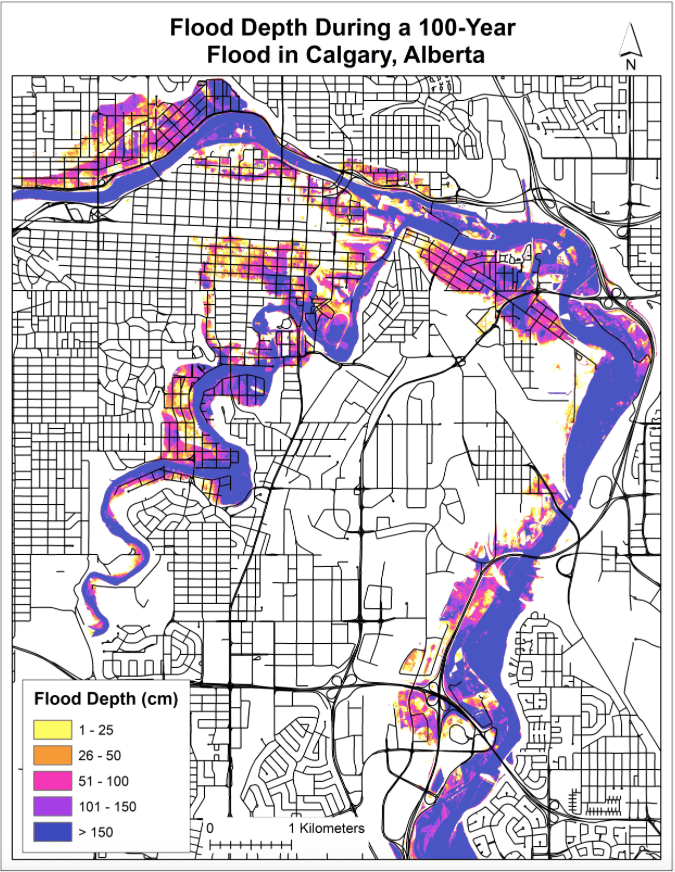
10. Understanding Flood Risk Near Calgary Rivers
Homes near the Bow River or Elbow River require extra diligence due to past flood events in Calgary. Before buying in these areas, review the City of Calgary flood map to understand whether the property falls within a designated floodplain or historically impacted zone.
If you are buying near water, check the flood map and understand the specific lot before moving forward.
Interior Red Flags to Check During a Showing
Once you step inside, the goal is to quickly identify issues that affect livability, resale, or inspection risk.
11. Strong Smells
Odours are one of the fastest ways buyers emotionally disengage from a property.
Look for:
• Cigarette smoke, heavy cooking smells, or strong pet odours
• Air fresheners that feel like they are masking something
If the smell hits you immediately, assume future buyers will react the same way.
12. Flooring Damage or Inconsistent Flooring
Flooring replacement is expensive and disruptive, especially right after possession.
Look for:
• Deep scratches, warping, or water staining
• Random patchwork of different flooring types that do not flow
13. Water Stains on Walls or Ceilings
Visible staining immediately raises concerns about leaks or past moisture problems.
Look for:
• Brown ceiling spots or bubbling paint
• Fresh paint in isolated areas that looks suspicious
Water issues are one of the most common reasons deals collapse during inspection.
14. Window Condition
Window replacement in Calgary can be surprisingly expensive and often overlooked during quick showings.
Look for:
• Fogging between panes
• Frames that are warped or difficult to open
Open a few windows during your visit. It takes seconds and can reveal a lot.
Mechanical Red Flags
These may not be obvious at first glance, but they often become negotiation pressure points after inspection.
15. Electrical Panel Concerns
Most buyers are not qualified to assess wiring, but obvious red flags should not be ignored.
Look for:
• Missing cover plates or exposed wiring
• Signs of amateur modifications
16. Furnace and Hot Water Tank Age
The furnace and hot water tank are major cost items that often trigger concern during inspections, even when they are still operating properly.
Look for:
• Very old units with no visible service tags or maintenance history
• Rust, corrosion, active leaking, or signs of neglect
Older does not automatically mean replacement is required, but poor maintenance or visible deterioration should be factored into your offer and long term budgeting.
17. Poly B Plumbing
Poly B is common in Calgary homes built from the late 1980s through early 2000s and can impact insurance and resale.
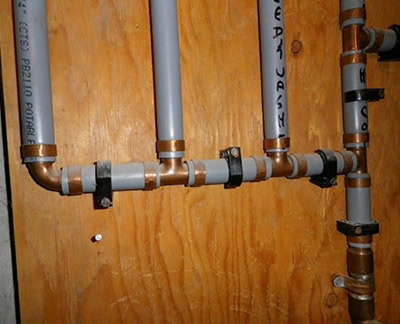
Look for:
• Grey plumbing lines under sinks
• Signs of past leaks or moisture around plumbing
Poly B does not guarantee failure, but it should factor into your due diligence and offer strategy.
Basement Red Flags
Basements deserve extra scrutiny during any showing, as moisture and foundation concerns are commonly revealed in this area.
18. Musty Smells in the Basement
A damp or musty smell is often the first clue that moisture has been present.
Look for:
• Persistent musty odours or noticeable humidity
• Staining along baseboards or poor bathroom ventilation
If something smells off downstairs, do not ignore it. Odour is often an early warning sign.
19. Basement Cracks
Basement floor cracks are common in Calgary. Wall cracks and signs of movement are more concerning.
Look for:
• Large horizontal cracks or wide vertical separation in foundation walls
• Fresh patching that does not match surrounding concrete
Condo Red Flags
Condos come with a different risk profile. The biggest issues are often in the condo documents, but there are still physical warning signs you can spot during a showing.
Still deciding on a condo? Here is my breakdown on whether you should buy a condo in Calgary.
20. Ground Floor or Below Grade Units
Ground level and below grade condo units are often perceived as less secure and less private, which directly impacts buyer demand, especially in the inner city.
Because many buyers automatically rule these units out, resale can take longer compared to similar units on higher floors.
21. Units Near Elevators
Proximity to elevators can mean ongoing noise and foot traffic.
Look for:
• Doors directly across from the elevator
• Noticeable hallway noise during your showing
Convenience is nice, but constant activity can wear on you over time.
23. Units Above Parkade Entrances
Units positioned over garage access points often experience light and noise disturbances.
Look for:
• Direct alignment above the garage door entrance
• Headlights shining into windows at night
Late night vehicle activity can become a daily annoyance.
Frequently Asked Questions
Is poly B plumbing a deal breaker in Calgary?
Not always, but it can impact insurance options and buyer demand. If you are buying a home with Poly B, you want to confirm insurability and factor it into your offer strategy.
Are foundation cracks normal in Calgary homes?
Small cracks can be common. Bigger cracks, wall cracks, or signs of shifting deserve a closer look and professional guidance.
Should I avoid houses on busy roads in Calgary?
Homes on busy roads are not automatically bad purchases, but they do attract a smaller pool of buyers. Many families prefer quieter interior streets.
That reduced demand can impact resale value and increase time on market compared to similar homes located on less trafficked roads. If you are buying on a busy street, make sure the price reflects that reality.
Do I still need a home inspection if the house looks perfect?
Yes. A home inspection is one of the best ways to protect yourself from hidden issues and expensive surprises.
In Summary, Making a Smart Purchase Decision
The goal is not to avoid every flaw. It is to understand what matters, what does not, and how it affects your long term value. If you are viewing homes and want expert guidance before making an offer, connect with me and I’ll help you move forward with confidence.
Prefer to Watch Instead? Check out my YouTube video

Additional Resources
- 📞 Call/Text: (403) 471-4212
- 📧 Email: ryan@ryangillard.ca
- 📈 Request a Home Evaluation
- 🗂 Buyer’s Guide
- 🗂 Seller’s Guide
- 🗂 Relocation Guide
- 🏡 View Homes in Calgary
- 💰 Compare Calgary Mortgage Rates
- Watch my YouTube video on this topic