

Why Buyers Walk Away From Calgary Homes: 18 Reasons
Why do some buyers walk into a home and leave after only a few minutes? Others pull up outside, take one look at the property and cancel their showing without ever stepping inside.
As a Calgary Realtor since 2012, I’ve listed and sold hundreds of homes and witnessed both situations firsthand. Sometimes the reasons are obvious, while other times buyers notice things that sellers may never have considered.
If you’re selling your Calgary home and wondering why buyers aren’t showing interest, here are 18 reasons they might be walking away and what you can do about it.
1. Sometimes It Has Nothing to Do With Your House
Before assuming there’s something wrong with your property, remember that buyers have lives outside their home search.
A child might be having a meltdown. Someone could be running late, an appointment may have been booked accidentally, or the buyers may have just viewed another property they absolutely loved.
What sellers should do: Don’t overreact to one unusually short or cancelled showing. If several unrelated buyers behave the same way, that’s when you should start investigating.
2. They Realize They Don’t Like the Neighbourhood
Buyers often choose properties online before they’ve spent much time exploring the surrounding community.
They might love the photographs and floor plan, only to arrive and realize the neighbourhood isn’t as desirable as they expected. The area might feel neglected, have poorly maintained properties, or simply not meet their expectations.
Sometimes buyers decide the neighbourhood isn’t good enough for the price they’re being asked to pay, regardless of how much they like the house itself.
What sellers should do: Be realistic about your property’s location and the type of buyer it’s most likely to attract. A neighbourhood that doesn’t appeal to one buyer may be exactly what another is looking for.
3. Something Next Door Scared Them Off
You might have a beautifully renovated home with an impressive kitchen and professionally landscaped yard.
Unfortunately, the property next door could be affecting your sale.

An overgrown yard, abandoned vehicles, neglected exterior or constantly barking dogs can create an immediate negative impression.
Buyers aren’t just purchasing your house. They’re also considering the environment they’ll be living in for years.
What sellers should do: Look at your property from the perspective of someone seeing the street for the first time. You cannot control your neighbours, but you can make sure your own property is well presented and priced appropriately for its surroundings.
4. Parking Challenges
Parking and street conditions are things buyers might not fully consider until they arrive at a property.
A busy street, limited parking, narrow driveway or lack of space for additional vehicles can quickly turn buyers away. Some may also be concerned about heavy traffic, difficulty getting in and out of the driveway, or having nowhere convenient for visitors to park.
Even if buyers love the house, they may decide that dealing with these inconveniences every day simply isn’t worth it.

5. Living in Front of a School
Living close to a school can be a major selling feature, particularly for Calgary families.
Living directly in front of one is a different story.
School pickup traffic, idling vehicles, buses, noise and congested streets can make a location less appealing to certain buyers.
What seems like a convenient location can quickly become a daily frustration when you’re dealing with vehicles blocking your driveway, parents parking in front of your house, increased traffic and noise throughout the school day. Buyers may decide that the convenience of living next to a school simply isn’t worth the ongoing disruptions.
6. The Curb Appeal Doesn’t Match the Photos
First impressions matter, and buyers start forming opinions before opening the front door.
Peeling paint, dirty siding, an overgrown lawn, damaged fencing or a neglected entrance can make buyers question how well the rest of the property has been maintained.
The concern isn’t always the cost of fixing those items.
It’s what they might suggest about the things buyers cannot see.
If the seller hasn’t maintained the obvious details, buyers may wonder whether the roof, furnace or plumbing has received the same level of attention.
7. There’s a Location Problem They Cannot Change
Some properties have disadvantages that no amount of renovation or staging can eliminate.
A home might back onto a busy road, sit beneath major power lines, face a commercial development or have an apartment building overlooking the backyard.

Future construction can also affect buyer interest.
For example, a property overlooking an empty field in a developing Calgary community might seem appealing until buyers discover that significant construction is planned nearby.
8. The Seller or Tenant Is Still Home
Few things make a showing more uncomfortable than walking into a house and discovering that the owner is sitting on the couch watching television.
Perhaps a tenant is cooking dinner or someone is working in the basement.
Buyers may feel like they’re intruding rather than viewing a property that’s available for purchase.
They become reluctant to open closets, discuss concerns or speak openly with their Realtor.
Instead of exploring the house, they rush through it.
What sellers should do: Whenever possible, arrange to be away during showings so buyers can explore the property comfortably. If the home is tenant occupied, try to coordinate showings around the tenant’s schedule and encourage them to step out during appointments when possible. Be respectful of their time and ensure proper notice is provided in accordance with Alberta’s tenancy laws.
9. The House Is Too Dark
Lighting can completely change how a property feels.
Closed blinds, heavy curtains, burnt out light bulbs and dark basement rooms can make a home feel smaller, older and less welcoming.
This becomes especially noticeable during Calgary’s shorter winter days.
Imagine viewing two similar homes. One has natural light pouring through the windows, while the other has dark hallways and poorly lit rooms.
Even if the square footage is identical, the experience can feel very different.
What sellers should do: Open the blinds, clean the windows and turn on the lights before every showing.
Pay particular attention to basements, hallways and rooms with limited natural light. It’s one of the simplest and least expensive improvements you can make.
10. The House Is Dirty or Cluttered

Buyers need to picture themselves living in a property.
That’s difficult when countertops are covered in belongings, laundry is piled up, dishes are sitting in the sink and every room is packed with furniture.
Clutter also makes it harder to understand the actual size and functionality of a room.
A large living room can feel surprisingly small when it’s filled with oversized furniture.
What sellers should do: Remove unnecessary belongings, clear surfaces and create space around furniture.
You don’t need to make your house look like a luxury show home, but it should feel clean, comfortable and easy to move through.
11. Personal Decorations Are Distracting Buyers
Your home reflects your personality, interests and beliefs.
That’s perfectly normal when you’re living there. However, selling a property requires a different approach.
Highly polarizing artwork, political displays or prominent personal collections can sometimes distract buyers from evaluating the actual house.
Instead of concentrating on the floor plan, kitchen or backyard, they may become focused on the decorations.
What sellers should do: Aim for a welcoming, relatively neutral presentation that allows a wide variety of buyers to imagine making the property their own.
The objective isn’t to erase your personality. It’s to keep the attention on the home.
12. The Renovations Look Like Poor DIY Work
Buyers often notice questionable workmanship almost immediately.
Uneven flooring transitions, crooked tile, poorly fitted trim, unfinished renovations and inconsistent finishes can raise concerns.
If buyers notice obvious mistakes in the visible renovations, they may start wondering about the quality of work behind the walls.
What sellers should do: Repair obvious deficiencies before listing where practical. For significant renovations, keep permits, invoices and relevant documentation available.
Buyers are generally more comfortable when they can understand what work was completed and whether it was done properly.
13. The Interior Is Much More Dated Than Expected
There’s nothing inherently wrong with an older kitchen or original bathroom.
Many Calgary buyers are perfectly happy purchasing homes that need cosmetic updates.
Problems arise when the asking price and marketing create expectations that don’t match the property.
A home advertised at a premium price might look impressive online, but buyers could arrive to find dated cabinetry, worn flooring, older countertops and original fixtures.
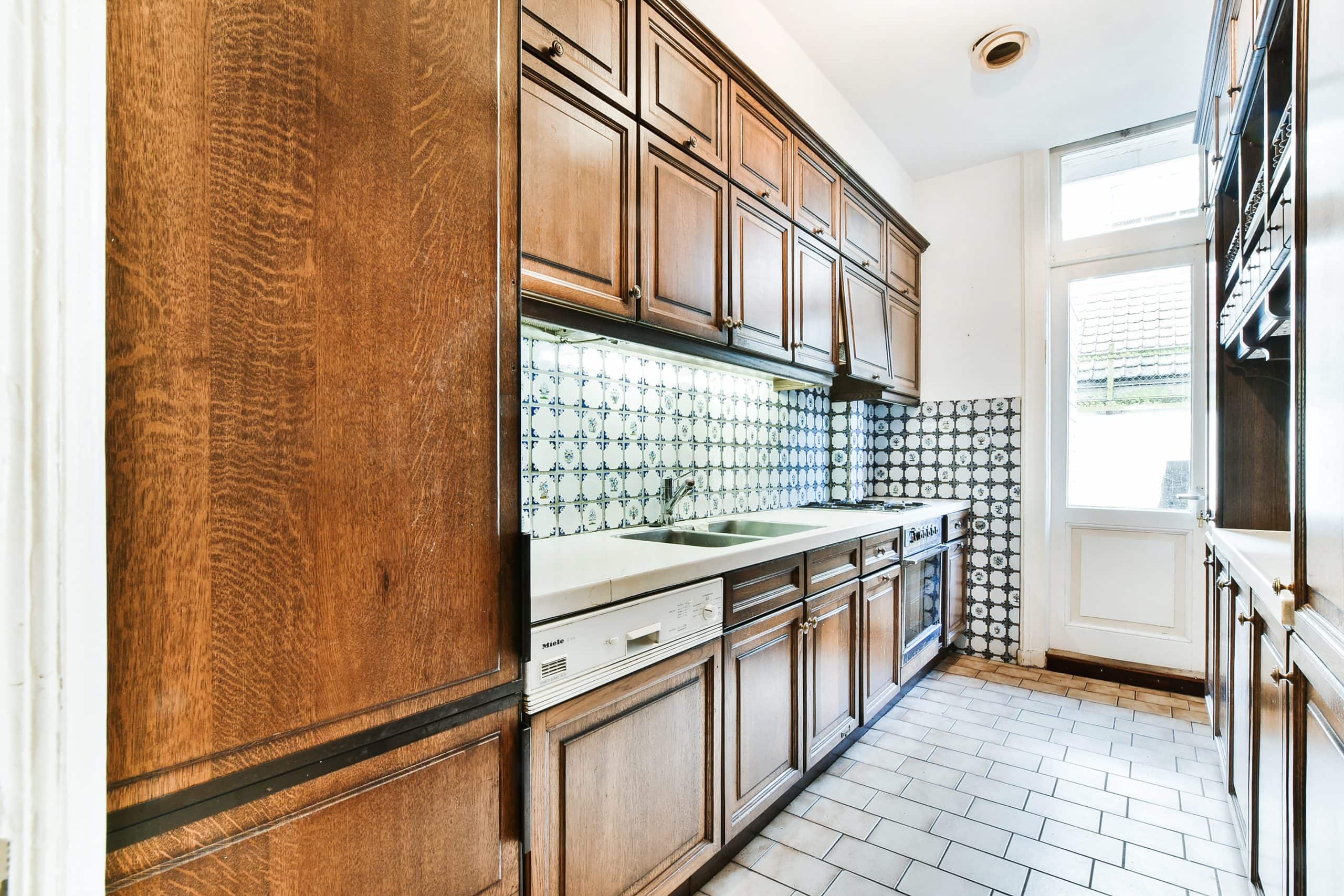
They begin mentally calculating renovation costs.
Sometimes they’ve already decided against the property before finishing the main floor.
What sellers should do: Compare your home with properties offering similar finishes and levels of renovation.
If buyers can purchase a substantially updated property for a similar price, you’ll need to address that difference.
14. The Floor Plan Doesn’t Work
A poor floor plan can be one of the biggest deal breakers for buyers, especially because changing the layout often requires expensive renovations.
A cramped entrance, awkward staircase, small bedrooms, narrow hallways or a kitchen that’s separated from the main living area can make a home feel less functional. Some properties also have poorly planned additions, unusual room configurations or basements with low ceilings and limited usable space.
Buyers are thinking about how they’ll live in the home every day. If the layout makes everyday activities inconvenient, furniture placement difficult or the space feel smaller than expected, they may decide the house simply won’t work for them.
15. The House Looks Nothing Like the Listing Photos
Professional photography is important when selling a home, but it needs to represent the property accurately.
Wide angle lenses can make rooms appear substantially larger. Heavy editing can make dark interiors look bright, while carefully selected exterior angles can hide nearby roads or undesirable backing conditions.
Virtual staging and AI enhanced images can create additional problems if buyers cannot distinguish between the actual property and a digitally altered presentation.
When buyers arrive expecting one thing and discover another, disappointment can be immediate.
What sellers should do: Use attractive, professional photographs that accurately represent the home.
Include realistic room dimensions, floor plans and appropriate disclosure of virtual staging.
Good marketing should encourage qualified buyers to book a showing, not create expectations the property cannot meet.
16. Buyers Immediately Notice Expensive Problems
A home showing can change direction very quickly when buyers start noticing major maintenance concerns.
An aging roof, original windows, older furnace, water staining or damaged walls can all raise questions.
One older component isn’t necessarily a deal breaker.
But when buyers identify several potential expenses during the first few minutes, they may begin calculating how much additional money they’ll need after purchasing the property.
This becomes particularly important when the home is already priced near the top of its competing market.
17. The House Has an Unpleasant Smell
This is one of the fastest ways to lose a buyer’s interest.
Cigarette smoke, pet urine, strong cooking odours, damp basements, sewer smells and heavy fragrances can make a property uncomfortable almost immediately.
Even excessive air fresheners can create suspicion that someone is trying to cover something up.
The difficult part is that homeowners can become accustomed to smells they experience every day.
A buyer entering for the first time may notice something the seller hasn’t recognized in years.
18. The Asking Price Doesn’t Match What Buyers Experience
Buyers already know the asking price before booking a showing, so price alone usually isn’t why they suddenly lose interest.
However, any of the issues covered above, whether it’s the location, condition, layout or overall presentation, can quickly change how buyers perceive the property’s value.
Final Thoughts: Why Buyers Walk Away From Calgary Homes
Not every short showing or cancelled appointment means there’s something wrong with your home. Sometimes buyers simply change their minds or have other circumstances that prevent them from viewing the property.
But when multiple buyers arrive and leave quickly, or you continue getting showings without offers, it’s worth paying attention.
Look for patterns, listen to showing feedback and consider how your property compares with competing homes. Sometimes a few improvements can make a difference, while other situations may call for a more realistic asking price.
The goal isn’t just to attract more showings. It’s to attract buyers who see enough value in your home to make an offer.